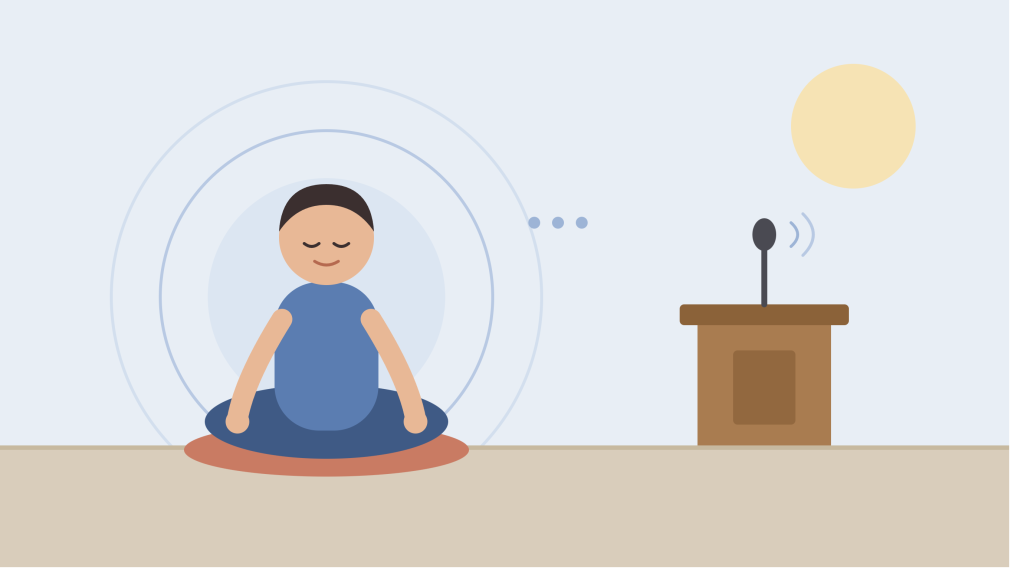

You sit down to work. Two minutes later, you’ve checked your phone, opened three tabs, and forgotten what you were about to do. Sound familiar?
A scattered mind isn’t a character flaw. We live surrounded by notifications, deadlines, and endless things to read, and our attention gets pulled in every direction. The good news is that focus works a bit like a muscle. You can train it, and meditation is one of the simplest ways to do it.
This guide covers meditation for clarity and focus: what it actually does, six practical techniques, a short routine, and how to use these skills when you work or study.
Clarity vs. Focus: What’s the Difference?
People often use these words together, but they’re slightly different:
- Focus is the ability to keep your attention on one thing, like a task, a page, or a conversation.
- Clarity is the feeling of a quieter, less cluttered mind, where you can see what matters and decide calmly.
Meditation supports both. It teaches you to notice when your mind has wandered, and to bring it back without frustration. That “noticing and returning” is the real exercise, and each repetition counts.
Does Meditation Really Improve Focus?
Research on mindfulness suggests that regular practice can help many people improve attention and feel less mentally scattered. Some studies find benefits after only a few weeks of consistent practice.
That said, the effects are usually modest, and they vary from person to person. Meditation isn’t a magic switch. It works best alongside the basics: enough sleep, regular breaks, and fewer distractions.
If you have a condition such as ADHD, meditation may still be a useful extra tool, but it shouldn’t replace guidance from a doctor or specialist.
6 Meditation Practices for Clarity and Focus
1. Breath Counting
This is one of the best starting points because it gives your mind a simple job.
Sit comfortably and breathe naturally. Count each exhale from one to ten, then start again at one. If you lose count or drift into thought, gently go back to one. No need to feel bad about it.
Five minutes is plenty to begin.
2. Single-Point Focus
Pick one object to rest your attention on. It could be a candle flame, a spot on the wall, or a small stone in your hand. Keep your eyes on it, or your fingers on it, and notice every detail: the texture, the color, the temperature.
When your mind wanders, bring it back to the object. If you like using a physical anchor, our guide to meditation stones has some ideas for choosing one.
3. Noting Practice
Instead of fighting thoughts, you label them. When something pulls your attention away, silently say a short word like “planning,” “worrying,” or “remembering,” and then return to your breath.
Naming a thought creates a little distance from it. Over time, you start catching distractions sooner, which is exactly what helps you focus at your desk.
4. Walking Meditation
If sitting still feels impossible, walk instead. Choose a short path, about ten steps long, and walk slowly. Feel your heel touching down, your foot rolling forward, and your weight shifting.
When you reach the end, pause, turn, and walk back. It’s a great choice after a long stretch of screen time.
5. Sound Meditation
Close your eyes and simply listen. Notice every sound around you: traffic, a fan, birds, voices in the distance. Don’t judge them or follow them. Let them come and go.
This trains open, flexible attention, and it’s handy because you can do it anywhere.
6. The STOP Micro-Break
When you don’t have time to sit, try this 60-second reset:
- Stop what you’re doing.
- Take three slow breaths.
- Observe what’s happening in your body and mind.
- Proceed with your next task, one thing at a time.
It’s small, but it can break the autopilot cycle that leaves you scattered.
A 10-Minute Routine for a Clear Mind
If you want a simple plan, try this in the morning or before a big task:
- Minutes 1 to 2: Sit comfortably and take slow breaths. If it helps, choose a good seat, such as one of the best meditation cushions for sitting comfort.
- Minutes 3 to 6: Practice breath counting from one to ten.
- Minutes 7 to 8: Switch to noting. Label thoughts gently as they appear.
- Minutes 9 to 10: Decide on the one task you’ll start with, take a deep breath, and open your eyes.
That last step matters. Ending with a clear intention helps you carry the calm straight into your work.
Using Meditation for Work and Study
You don’t have to meditate for an hour to see benefits. Small habits fit more easily into a busy day.
- Before you start: Take one minute of slow breathing, then write down your single priority.
- Between tasks: Use the STOP method to reset instead of jumping straight to the next screen.
- When you notice drifting: Take it as a normal sign, not failure. Label it, breathe, and return.
- During long sessions: Work in focused blocks of 25 to 45 minutes, then take a short mindful break.
- At the end of the day: Spend a few minutes noticing what pulled your attention away, without judgment.
If heavy feelings are clouding your thinking, it may help to explore meditations for emotional healing first. Sometimes a restless mind has a sore spot underneath.
How Long Until You Notice a Difference?
Some people feel calmer after a single session. Changes in focus usually take longer, often a few weeks of regular practice. Ten minutes a day tends to work better than an hour once a week.
Track small wins instead of waiting for a big change. Maybe you notice you’re distracted a little less often, or you recover from interruptions faster.
Common Mistakes to Avoid
- Trying to empty your mind. The goal isn’t zero thoughts. It’s noticing them and coming back.
- Judging yourself. Wandering is part of the practice, not a sign you’re doing it wrong.
- Going too long too soon. Start with five minutes and build gradually.
- Meditating only when stressed. Regular practice works better than occasional emergency use.
- Keeping your phone nearby. Put it in another room, or on silent, before you begin.
Habits That Support Better Focus
Meditation works best when the rest of your day supports it:
- Get enough sleep, since a tired brain struggles to focus.
- Do one task at a time instead of switching constantly.
- Keep your phone out of sight while working.
- Drink water and take short movement breaks.
- Keep your workspace tidy and simple.
FAQs About Meditation for Clarity and Focus
What is the best meditation for focus?
Breath counting and single-point focus are great for beginners because they give your attention something clear to hold.
How long should I meditate to improve focus?
Start with five to ten minutes a day. You can increase gradually as it becomes comfortable.
Can I meditate before studying?
Yes. A short session of three to five minutes can help you settle in and start with a calmer mind.
Is it normal for my mind to wander constantly?
Completely normal. Noticing that you’ve wandered and returning is the actual training.
Can meditation replace a good night’s sleep?
No. Meditation can help you rest and relax, but it can’t replace the sleep your brain needs to focus well.
Should I meditate with my eyes open or closed?
Either works. Closed eyes reduce distractions, while open eyes with a soft gaze can help if you feel sleepy.
Final Thoughts
Meditation for clarity and focus doesn’t require a special setup or lots of free time. It’s about training one simple skill: noticing when your attention has drifted and gently bringing it back.
Pick one practice from this list, try it for five minutes tomorrow morning, and repeat it for a week. Small, steady practice is what clears the mind.