A thin curl of smoke, a soft woody scent, and suddenly the room feels calmer. That is the quiet magic people look for when they light incense before meditation. For thousands of years, incense has been part of spiritual practice, and today many people use it simply to slow down at the end of a busy day.
But with so many scents and types on the shelf, it is hard to know where to start. This guide covers the best incense for meditation and relaxation, how the different types compare, how to choose one, and how to burn it safely.
Why Use Incense for Meditation?
Honest answer: there is no proof that incense has any special healing power. What it does offer is a sensory cue. Your sense of smell is closely tied to memory and mood, so lighting the same scent before every session teaches your mind that it is time to settle.
Incense can help you:
- Create a ritual. Lighting it marks the shift from your busy day to quiet time.
- Set the mood. A pleasant scent makes a room feel more peaceful.
- Hold your focus. Following the rising smoke gives your attention a gentle anchor.
Think of incense as a tool that supports your practice, not a treatment for any health condition.
8 Best Incense Scents for Meditation and Relaxation
1. Sandalwood: Best All-Rounder
Sandalwood has a smooth, creamy, woody scent and is probably the most popular choice for meditation. It is warm without being overpowering, so it suits beginners. Real sandalwood is expensive, so check labels for quality.
2. Frankincense: Best for Deep Practice
Frankincense is a tree resin with a rich, slightly citrusy and resinous aroma. It has a long history in religious and meditative traditions. People often choose it for longer, more focused sessions.
3. Lavender: Best for Winding Down
Lavender is soft, floral, and widely linked with relaxation. It is a great pick for evening meditation or a pre-sleep routine.
4. Palo Santo: Best for Quick Resets
Palo Santo gives off a sweet, woody scent with hints of mint and citrus. It burns quickly, which makes it handy for short sessions. Because the tree can be overharvested, look for sellers who source it ethically.
5. Nag Champa: Best for a Classic Meditation Scent
Nag Champa is a blend, usually mixing sandalwood and floral notes like champa flower. Its sweet, familiar aroma is common in yoga studios and meditation spaces.
6. Cedarwood: Best for Grounding
Cedarwood smells deep, dry, and earthy, like a forest. It is a good match when you feel scattered and want a steady, grounded atmosphere.
7. Jasmine: Best for a Light, Uplifting Mood
Jasmine is sweet and floral without being heavy. It works well for morning meditation or when you want a gentle lift instead of deep stillness.
8. Rose: Best for Self-Care Sessions
Rose has a soft, romantic scent. It pairs nicely with loving-kindness or self-compassion practice, and it can make a short break feel like a small treat.
Types of Incense: Sticks, Cones, Resin and More
| Type | Best for | Things to know |
|---|---|---|
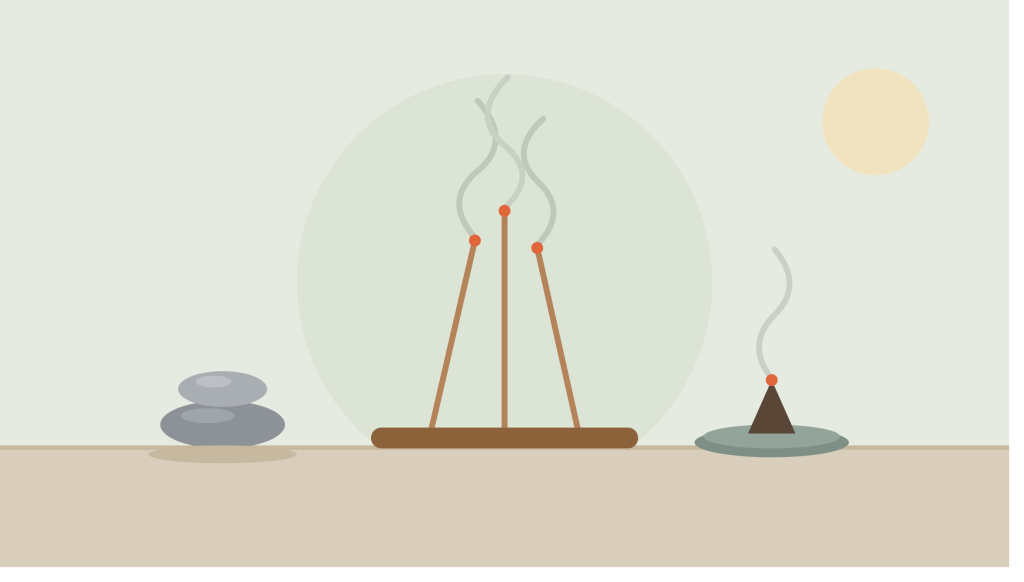
| Sticks | Beginners and everyday use | Easy to find, burns evenly, needs a holder |
| Cones | Short, strong sessions | Burns quickly and produces more smoke |
| Resin (with charcoal) | Traditional, rich aroma | Needs a heat-proof dish and charcoal, so it is less beginner-friendly |
| Coils | Long sessions | Can burn for hours, ideal for larger rooms |
| Dhoop | Strong, traditional scents | Often thicker and smokier than sticks |
If you are new to incense, start with sticks. They are simple, affordable, and easy to put out.
How to Choose the Best Incense
- Check the ingredients. Look for natural materials like wood, resin, herbs, and flowers. Be cautious with products that list only “fragrance.”
- Start with a mild scent. Strong incense can feel overwhelming in a small room.
- Buy small first. Scents are personal, so try a small pack before buying a large box.
- Match it to your goal. Sandalwood or frankincense for focus, lavender for relaxation, cedarwood for grounding.
- Choose a reputable seller. Clear labeling and honest sourcing are good signs.
How to Use Incense for Meditation
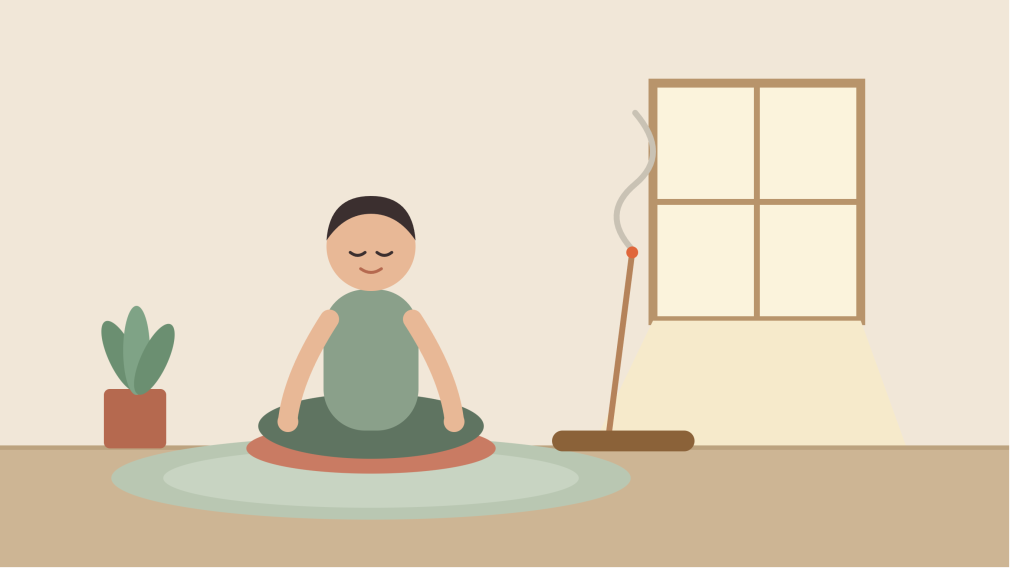
- Prepare your space. Choose a quiet spot and place a holder on a stable, heat-safe surface.
- Open a window slightly. Fresh air keeps the smoke from building up.
- Light the tip. Let it flame for a few seconds, then gently blow it out so it smolders.
- Sit comfortably. Settle into your usual meditation position.
- Focus on the scent and your breath. Notice the aroma and the slow movement of the smoke.
- Put it out when done. Press the tip into the holder or a small dish of sand until the smoke stops.
If you want to add another sensory anchor, try holding a smooth crystal while you practice. You can find ideas in our guide to meditation stones.
Is Burning Incense Safe? Important Tips
Incense smoke is still smoke, so it is worth being careful.
- Keep the room ventilated. Do not burn incense in a tightly closed space.
- Be careful if you have asthma or breathing problems. Smoke can irritate the airways, so you may want to skip it or ask your doctor first.
- Keep it away from pets, babies, and children. Some animals are sensitive to smoke and strong scents.
- Never leave it unattended. Keep it away from curtains, paper, and anything flammable.
- Use a proper holder. It should catch the ash and be heat-resistant.
- Do not burn it all day. Short sessions are better than constant smoke.
If smoke bothers you, you can try a diffuser with essential oils or simply use calming music and dim light instead.
Make Your Whole Routine More Calming
Incense is one part of a relaxing practice. Combine it with slow breathing, soft lighting, and a regular time each day. If you get nervous before big moments, you may also like these tips on meditation for public speaking anxiety.
FAQs About Incense for Meditation
What is the best incense for meditation for beginners?
Sandalwood sticks are a great place to start. The scent is gentle, widely available, and not too strong.
Which incense is best for relaxation and sleep?
Lavender and sandalwood are popular for winding down. Burn them earlier in the evening and put them out before you go to bed.
Is incense better than essential oils for meditation?
Neither is better. Incense gives a traditional ritual feel but creates smoke, while diffusers are smoke-free. Choose the one that suits you and your space.
How long should I burn incense during meditation?
One stick is enough for most sessions, usually 20 to 40 minutes. You can also put it out earlier if you prefer.
Can I meditate without incense?
Of course. Incense is optional and only supports your practice. Your breath is all you really need.
Final Thoughts
The best incense for meditation and relaxation is the one that feels calming to you. Start with a gentle scent like sandalwood or lavender, burn it safely in a ventilated room, and let it become a small signal that it is time to pause.
Try one scent for a week, and notice how your mind responds.